

22 Ideas to Sell Your B2B Offering in 2026
A field guide to the plays we're running with Fortune 500 clients. Steal any of them.
The Shift
Now that we are well into 2026, one thing separates what must be done from what's nice to have: selling the offering you already have, to the buyers already in your pipeline, faster.
Finance and procurement have tightened the screws on marketing spend. Demand gen budgets are under the microscope. Brand investment gets questioned. Net-new pipeline programs are getting strangled to a standstill.
But revenue targets haven't moved.
So the emphasis shifts entirely to one thing: closing existing deals. This is especially true in enterprise, where deal cycles are already long and every champion change, org shuffle, or quarterly reset can quietly erase pipeline that looked healthy three months ago.
Nobody wants to say this out loud, so I will: there's no guarantee your champion today will still be in that seat six months from now. Urgency isn't a sales tactic. It's a reality.
The teams winning in this environment are doing three things well:
- Identifying the key players in every active deal. Not just the champion, but the CFO, the procurement lead, the head of IT. Every real deal has four to seven humans who can say no.
- Clarifying the message for each of them. A CMO and a CFO are not buying the same thing. Give them different assets.
- Showing receipts. Real-world examples with real outcomes. Hype is dead. Documentary is the new brochure.
For 18 years at Richter, we've done one thing: helped large B2B companies sell their offering. Blue Yonder. GlobalLogic. Deloitte. Capgemini. Emerson. Baker Hughes. BD. Protiviti. Safelite. Kinetic/Windstream. De Nora. Keysight. Ryan. Armada.
What follows is 22 ideas we've pitched, built, or shipped in the last year — organized around the four parts of the sales journey where content and experience design move the needle most: pre-sales and awareness, sales enablement, training and internal communications, and customer experience.
Use what fits. Ignore what doesn't. But in 2026, don’t run the same 2024 playbook.
Part One: Pre-Sales and Awareness
Get attention. Route it to sales.
This is the top of the funnel — but thought of differently. The old model was "build awareness, generate MQLs, hand off to sales, hope for the best." The 2026 model is: build the specific awareness that shortens the path from stranger to sales-ready conversation.
Everything in this section is designed to do one of two things — put your story in front of the right buyer, or give that buyer a reason to raise their hand.
1. The Documentary-Style Customer Case Story
This is the flagship play, and it's the one I'd start with if you only do one thing in 2026.
A documentary-style case story is a live-action video that follows one of your real customers through their actual journey. The challenge they faced. The decision to work with you. The measurable outcome. Captured on site, in their words, with the kind of authenticity no marketing copy can replicate.
The model is simple:
- Identify one or two flagship customers willing to share their story
- Spend a day on site capturing interviews, environment, real moments
- Produce a 3–5 minute hero piece that anchors sales and marketing
- Cut shorter versions at 60, 30, and 15 seconds for campaigns and social
- Build a library of assets the sales team uses throughout the buyer journey
From that single shoot, you generate eight to ten short clips for LinkedIn and YouTube, a LinkedIn ad version, a landing page with the full video plus a downloadable two-pager, and a Book-a-Call button that routes straight to sales.
We're currently producing ten documentary-style customer stories for Kinetic (the Windstream/Uniti fiber brand) across their national footprint. We just wrapped a shoot at Stateline Speedway. Another at Gatton Park. Every story lives independently, every story feeds the ABM engine, every story becomes a dozen derivative assets.
Why this works: prospects engage differently when they see real customers telling real stories. It's not a pitch. It's proof. And proof is what's missing from almost every B2B marketing program in the market right now.
2. The ABM Stack: Story × Demandbase × Clay
The case story is the creative asset. The ABM stack is the distribution engine. Put them together and you have a deal acceleration machine.
Here's the full flow:
Demandbase serves the LinkedIn ad and short clips directly to your target accounts. So instead of generic display ads reaching nobody in particular, you're putting a real customer story in front of the specific buyers you want. Demandbase also retargets anyone who watches the ad or hits the landing page, keeping the nurture going automatically.
Prospects land on a page with the full pitch video, the two-pager, and a Book-a-Call button.
Clay captures the engagement signals — who watched, who landed on the page, who downloaded the two-pager — enriches that data with firmographic and role context, and feeds it into your sequences.
Your sales team gets warm, contextualized meetings instead of cold outreach.
The full loop: Demandbase serves video ads and shorts to target accounts → prospects land on the page with the full pitch video, two-pager, and book a call → Clay captures engagement and enriches the lead → sales gets a warm meeting on their calendar with full context on what the prospect engaged with.
Every piece of content feeds the motion. It's the complete deal acceleration engine in a single package.
3. LinkedIn InMail → Masterclass
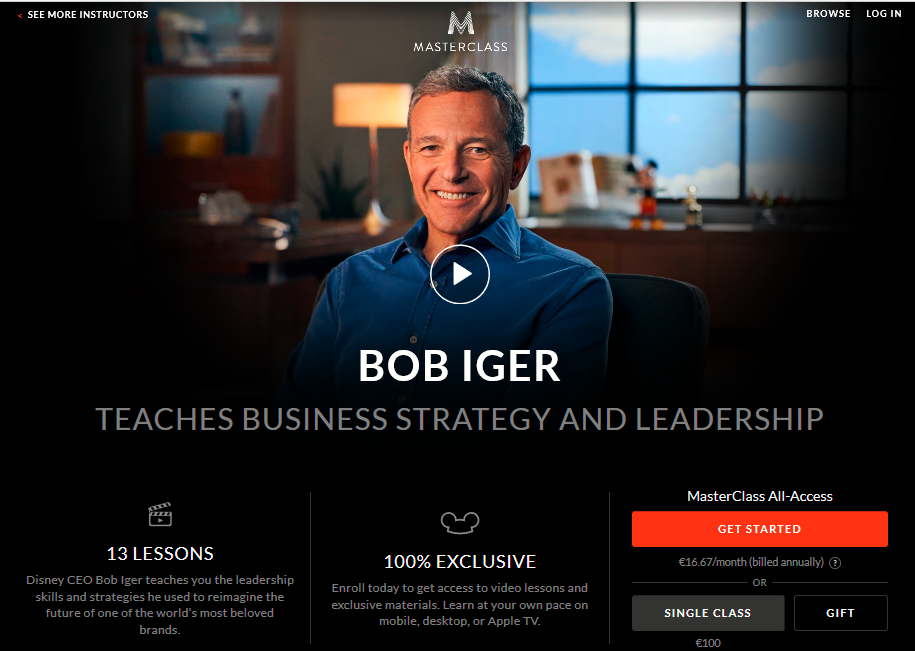
A couple of years ago, we ran an experiment. We'd been thinking about how to reach senior decision-makers in a medium that felt less like spam and more like an invitation. At the same time, I was watching MasterClass content — Bob Iger, Stanley McChrystal — and thought about marrying the two.
So we built a Richter MasterClass. I was the face of it. Eight episodes covering sales transformation frameworks. High production value. Real substance. Then we wrote a LinkedIn InMail that invited a narrowly targeted audience to watch it.
It worked. We got replies from people like the Vice President of Sales at Charles Schwab.
The mechanics:
- Pick a topic where your company has genuine authority
- Put a thought leader at your company on camera
- Script eight to ten short chapters (three to six minutes each)
- Build a branded landing page to host the series
- Write an InMail message that respects the recipient's time and offers real value
- Target the exact audience with LinkedIn's InMail product
For any B2B company with something to teach and an audience worth reaching, this is one of the highest-ROI outreach plays available in 2026.
4. The LinkedIn Newsletter as Content Hub
Nearly every B2B buyer lives on LinkedIn. LinkedIn Newsletters compound. Subscribers get notified on every publish. Algorithms favor them.
The play is to build a branded newsletter tied to your company's mission and voice, publish weekly or biweekly, and use it as the central hub from which all other content radiates. Each edition seeds vertical shorts, LinkedIn posts, image-plus-text carousels, and repurposed snippets.
I launched Sell Beautifully for Richter this year. It's a weekly publication aligned with how we think about B2B sales transformation, and it feeds the rest of our content system — short video, longer articles, podcast snippets, case study excerpts.
For your company: pick a point of view, commit to a cadence, and treat the newsletter as the anchor. Not another channel. The anchor.
5. Vertical Shorts as a 2026 Non-Negotiable
LinkedIn's short-form video product is still early. Growing fast. Populate it now.
My bet: within 18 months, vertical shorts on LinkedIn will be how a significant share of B2B buyers discover companies, sales-relevant news, and thought leadership. The brands that show up early will own share of mind the way the first serious Twitter users did in 2010.
Every piece of content you already own is a source:
- Podcast episodes → 30 to 90-second snippets
- Articles → animated quote cards with voiceover
- Case studies → before/after story shorts
- Executive interviews → vertical-format clips
- Product demos → scripted 60-second explainers
Every short routes back to a landing page. Every landing page has a Book-a-Call button. No asset is a dead end.

6. Audiobooks and Audio Articles
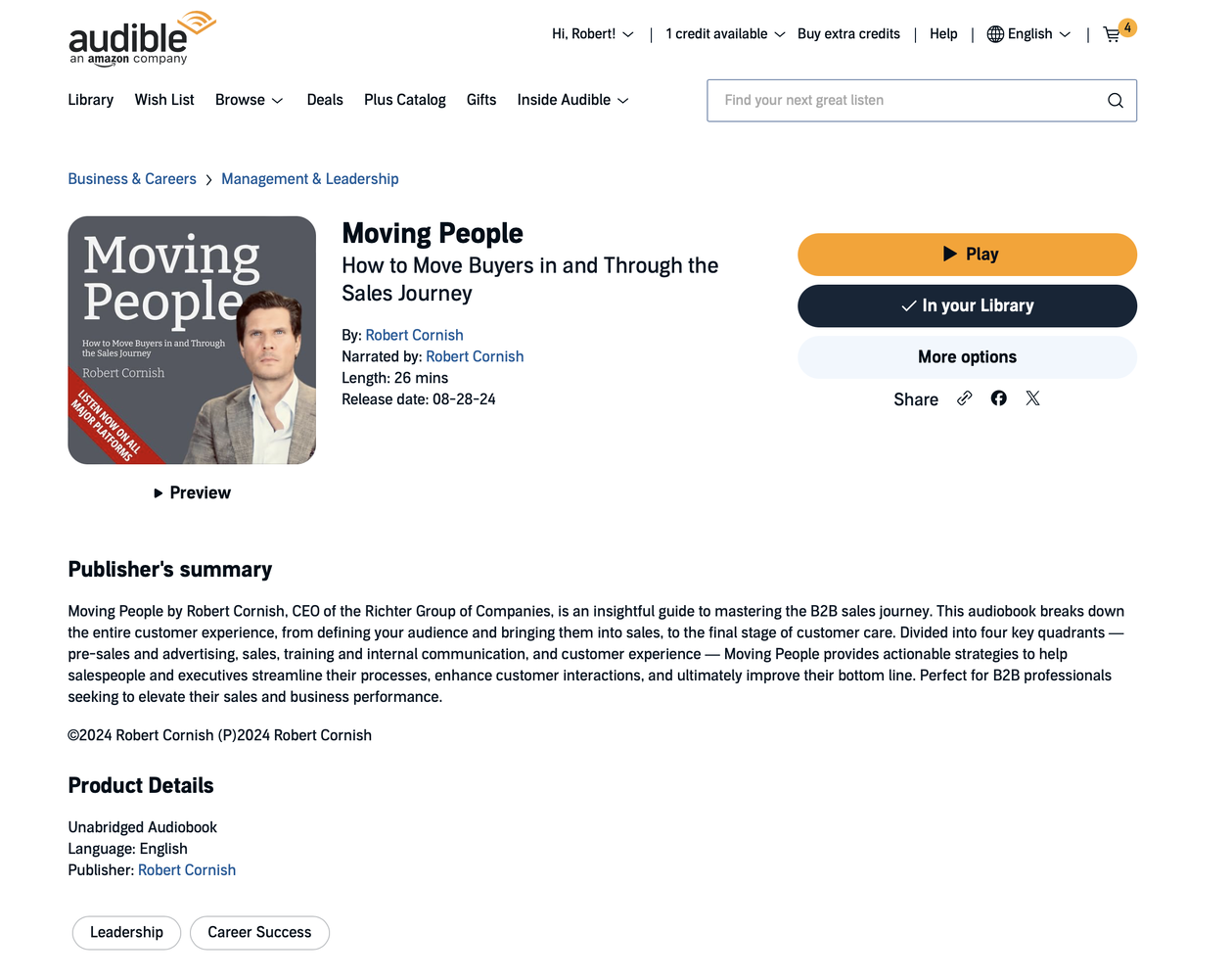
Every e-book should also be an audiobook. Upload it to Audible and Spotify. People listen — in cars, on planes, on walks, at the gym.
Beyond converting existing books, commit to producing ten to twenty long-form audio articles published like a podcast. Ten to twenty minutes each. Rigorous, well-produced, available on Apple Podcasts and Spotify and your own site.
This meets buyers in the mode they're already in — consuming long-form audio. It positions your company as a publisher, not just a vendor. And it compounds: every article can seed a LinkedIn post, a newsletter issue, a vertical short.
7. The Micro-Story (Apple Watch Playbook)
A couple of years ago Apple ran a series of one-minute spots for the Apple Watch. They didn't talk about battery life or processor speed. They told stories. One showed someone calling 911 from a watch after a car crash. Another showed the fall-detection feature triggering help after a hiking accident.
These spots worked because they painted a picture in the buyer's mind that any rational person could imagine themselves in. A hike. A drive. An emergency. Suddenly the product wasn't a nice-to-have gadget. It was a must-have.
B2B can borrow this playbook. Instead of leading with feature lists or architecture diagrams, tell a 60 to 90-second micro-story that puts the buyer inside a realistic moment where your product or service is the difference between a good outcome and a bad one.
For Westinghouse, we pitched exactly this approach — micro-relevant stories that illustrate the power of nuclear technology in contexts a buyer (or a regulator, or a legislator) could actually imagine.
This is underused in B2B. The companies that figure it out in 2026 will stand out the way Apple did.
8. The Docu-Film Brand Origin Story
Every company has an origin story. Most leave it untold.
For companies with heritage — especially anyone approaching an anniversary milestone (50, 75, 100 years) — a long-form documentary of twenty to thirty minutes is one of the most efficient single investments you can make.
We pitched this idea to Westinghouse: a documentary-style film covering the origin story, the new HQ facility, current product work, customer perspectives, and use cases. Polished. Watchable. Shareable on YouTube and the corporate site. From that single piece, you extract dozens of shorter assets — snippets, blog posts, social media clips, internal training segments.
One film. Years of content.
The reference I'd point at for inspiration: the Palmer Luckey / Bloomberg piece on Anduril. A compelling founder-and-company story that works as journalism, marketing, recruiting, and sales enablement simultaneously. That's the bar.
9. Offline: The Mailroom Advertising Wrap
Here's a left-field idea I've been pitching to AT&T and UPS, and I think it has legs for other B2B brands.
In most office buildings, the mailroom — where every tenant picks up packages and mail — is a plain, ignored space. High-frequency traffic. Zero brand presence. Every tenant sees it multiple times a week.
The idea: wrap the entire mailroom as an ad. Floor-to-ceiling graphics. A QR code linking to a landing page with a pitch video. Pilot it across ten to twenty buildings in markets where your target accounts cluster.
For B2B brands whose buyers work in office buildings, this is untapped real estate with built-in repeat exposure. If you're a technology company and your buyers are tech and ops leaders in downtown San Francisco, downtown Austin, midtown Manhattan — every week, those buyers walk past your wall.

10. The Trade Show Pre / During / Post System
Trade shows are where most B2B companies light money on fire. Flights, booth rental, swag, dinners, and a spreadsheet of badge scans that nobody ever touches again.
A better system — one we've built for several clients — looks like this:
Pre-event. Push targeted content to registered attendees. LinkedIn ads. Email. Personalized video invitations from your booth team. The goal: when someone walks into your booth, they already know you.
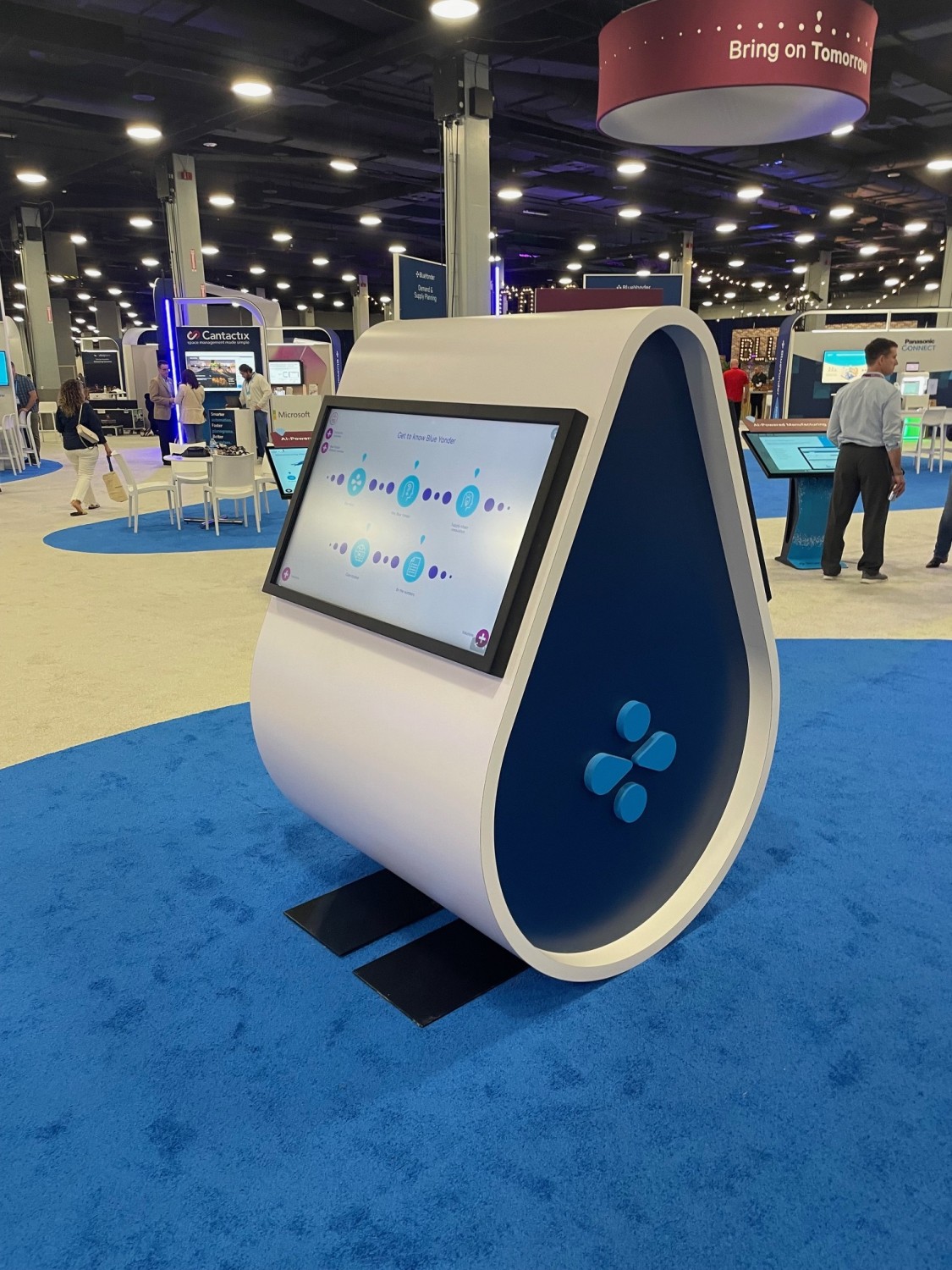
During the event. Replace the standard pitch with an interactive experience. At Blue Yonder's booth, we built an interactive kiosk — it replaced a 30-minute presentation and became their number one sales tool, with the highest conversion rate of any asset they had in the field.
The same booth should have a one-minute animated video on iPads for booth staff to walk through with visitors. Two QR codes on every video: one to book a call, one to register for the webinar. Low friction. Two clear paths.
Post-event. A landing page for each path. A follow-up deck sent automatically when someone registers. A nurture sequence tailored to what they engaged with.
Every asset is reusable. Every interaction is captured. Every piece of the system feeds sales.
11. LinkedIn Ad → Landing Page (The IBM Maximo Blueprint)
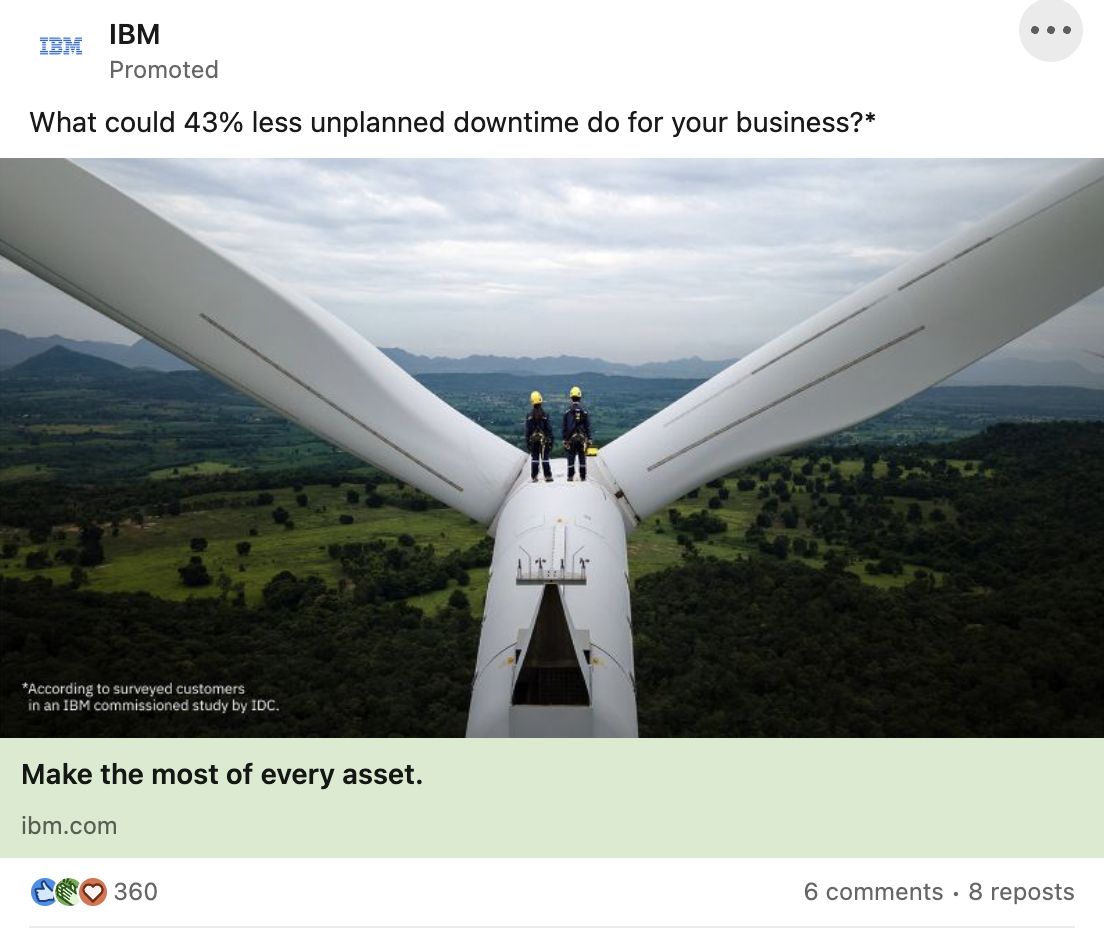
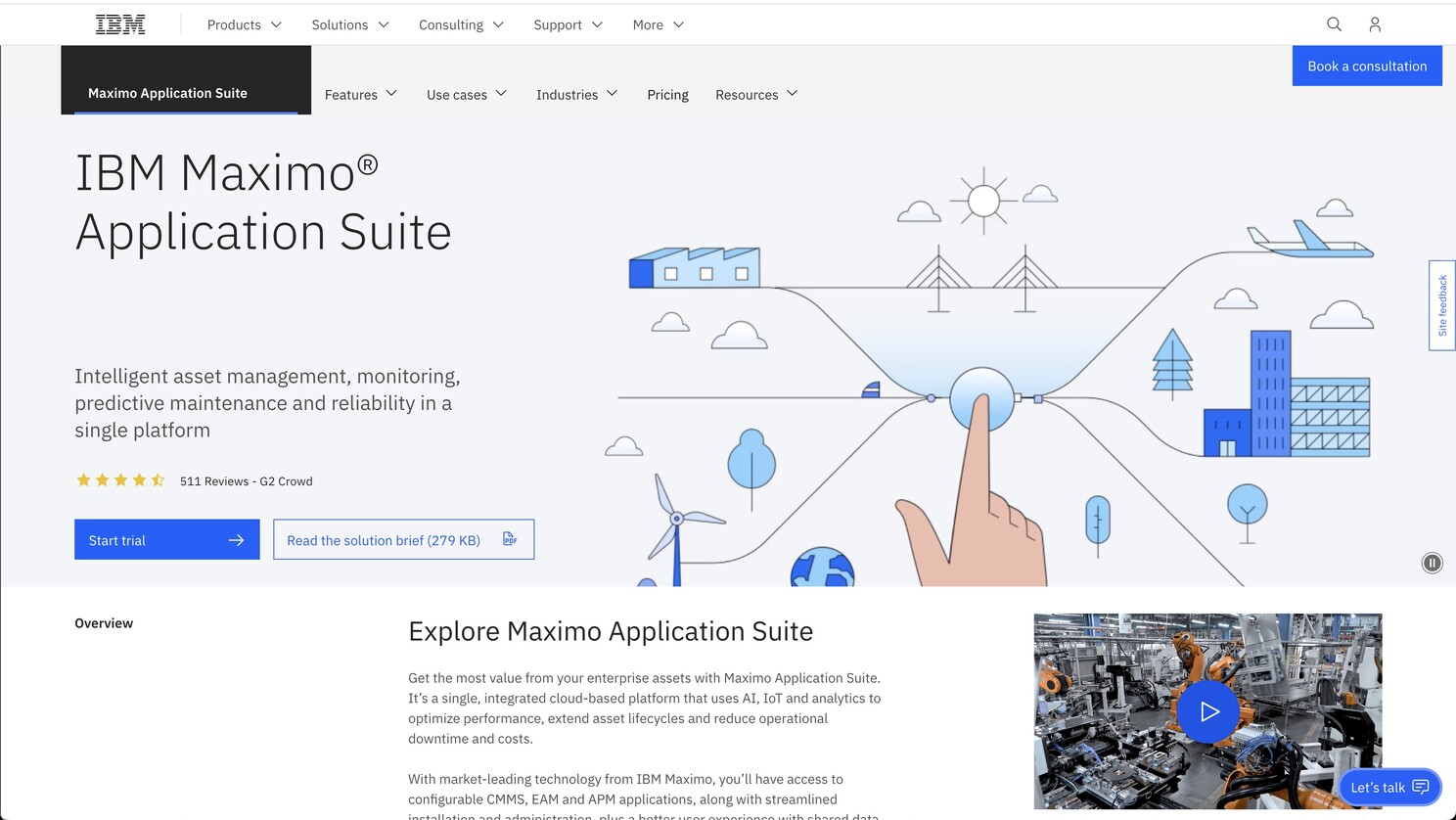
I was scrolling LinkedIn recently and a paid ad from IBM caught my attention. I clicked through to the landing page for Maximo, IBM's asset management product. What impressed me wasn't the messaging — it was the structure.
Every element you need was there:
- A hero video that explained the product in 90 seconds
- An un-gated downloadable PDF (no form)
- Clear use cases organized by industry
- Sharp pitch copy written for a buyer, not a search engine
- A chat tool for real-time questions
- A prominent Book-a-Call button
That's the template. Model it. Build an ad that drives to a page that does every job a sales rep would do in a first meeting — explain, qualify, prove, invite.
For a large client, I've been recommending exactly this structure: LinkedIn ad → landing page with full pitch video, two-pager, customer case story below the fold, three voice-memo testimonials, and a clear path to book a meeting. One page that closes.
12. Podcast Audio Ads
Most B2B brands are asleep on podcast advertising. They shouldn't be.
The audience is right. The attention is real. Pricing is still reasonable on vertical-relevant shows — industry podcasts, functional leader shows (CFO, CRO, CIO), niche sector programs.
A series of five to ten audio ads, thirty to sixty seconds each, placed on the right twenty podcasts, can produce real lift. It's also one of the few channels where AI-driven media buying hasn't yet commodified the inventory — meaning a thoughtful brand can still win on creative.
Part Two: Sales Enablement
Close the deals you already have.
Pre-sales gets the buyer to the table. Sales enablement is what you put in front of them once they're there. In 2026, this is the quadrant with the highest return on investment because every dollar maps directly to pipeline conversion.
13. The Interactive Trade Show Experience
I mentioned Blue Yonder earlier. It's worth a full section of its own, because it reframes how to think about the entire booth.
The old model: a wall of panels, a looping video, a booth staff that waits for someone to stop. Maybe a live demo if the team is feeling ambitious.
What we built for Blue Yonder: an interactive experience where visitors navigated the product and the company's point of view themselves, at their own pace, with purpose-built UI. It replaced a 30-minute sit-down presentation. It became the single highest-converting asset in their arsenal.
Why it works: buyers hate being talked at. They love exploring. Give them the keys, track what they engage with, and your booth team's job shifts from "pitch" to "guide and qualify."
The 2026 version of this lives on iPads and touch screens at every event, and it also lives as a microsite you can send prospects to between meetings. One experience. Multiple surfaces.
14. Map Content to Every Stage of the Sales Journey
If your sales team doesn't have a clear sales journey mapped from first meeting to closed-won, nothing else in this playbook will work. Map it first.
Once you have a real sales process — the stages, the decisions, the stakeholders, the objections — you can mirror it with content:
- Initial pitch / hook — the video you send cold to warm someone into a first meeting
- Product and services overview — the 3 to 5-minute explainer that answers "what do you actually do"
- Pains, challenges, solutions — the problem-framing content that makes the buyer feel seen
- Value proposition — the deck or video that quantifies the business case
- Objection handling — short assets (often 60-second videos) that address the top three or four pushbacks
- Stats that reinforce the offering — third-party validation, internal metrics, category benchmarks
- Testimonials and endorsements — named customers, named outcomes
- Use cases — specific applications in the buyer's industry or role
- Experience video — the documentary case story showing it in the real world
That's seven to nine assets mapped to seven to nine decision points. Most sales teams have one generic deck. The best teams have a modular library.
15. The AI-Powered Sales Letter Site
This is a concept I've been pitching to Alaska Airlines and American Airlines for their credit card offers, and the general pattern is applicable far beyond airlines.
The idea: an AI-powered landing page that walks a prospect through a pitch as if a smart sales rep were sitting next to them. Natural language. Conversational. Handles objections in real time. Explains features. Signs them up.
For an airline card, imagine a tray-table ad with a QR code. Passenger scans it. They land on a page with a 60-second mobile video up top, and below it, a chat interface powered by a current-generation LLM. The chat is pre-briefed with everything about the card — benefits, fees, approval process, comparisons to competitors. Passenger asks questions. The AI answers. At the end, it routes them to application.
Think of it as the evolution of the classic long-form sales letter. Instead of a static scroll, it's a responsive conversation.
Companies that figure this out in 2026 will close self-serve buyers while their competitors are still trying to book demos.


16. Modular Pitch Decks Reps Actually Use
Most pitch decks die in a shared drive. Reps build their own. The brand drifts. Messaging gets inconsistent. Deals suffer.
The fix is a modular, on-brand deck your team can actually use and tailor — one core narrative, interchangeable modules by industry, role, and deal stage.
For a large digital services firm, we built a full modular deck system for 180 sales reps. Graphics, copy, case studies, a proven talk track. Reps could swap modules in and out based on the buyer in front of them. Every rep walked into every meeting with the same foundational story and the flexibility to make it relevant.
Another related play: a large consulting firm had an internal deck that was 47 pages. We condensed it into a 3-minute video that carried the full narrative. That video helped close a partnership deal.
One clear lesson from both engagements: the best sales asset is the one your reps will actually pull up in a meeting. Design for that, not for a marketing showcase.
17. 3D + Live-Action Hybrid Product Video
Some products are hard to see. Maybe they live inside a machine, or in the cloud, or at scale across infrastructure. A brochure can't show them. A live shoot can't capture them. A pure 3D animation feels sterile.
The hybrid works: 3D animation that visualizes the invisible, intercut with live-action footage grounding it in the real world, paired with a subject-matter-expert voiceover walking through what's happening.
We've built these for Keysight, BD, Emerson, and Baker Hughes — each one translating complex technology into a film that a non-technical buyer (or board member, or partner) can follow.
One client I'd call out specifically: De Nora. They moved from static PDFs to immersive 3D visualizations of their electrochemical solutions. Prospects didn't just read the pitch — they explored it. Sales cycles got shorter. Conversion got better.
If your product is hard to explain, 3D-plus-live is probably the asset you're missing.
Part Three: Training and Internal Communications
Align the team that sells.
Everything in the first two sections is outward-facing. This section is inward-facing — and it's the quiet multiplier. No amount of great content matters if the people carrying it can't tell the story consistently, don't believe in it, or aren't aligned on what they're selling.
18. The CEO Communication Stack
Most companies have a communication problem and don't know it. The CEO's vision is clear to the CEO. It's fuzzy to the team. It barely reaches the field.
Here's the stack we built for a Safelite engagement that's applicable to any company with more than 500 employees:
- Master Plan. A clear articulation of vision, values, and organizational targets. Communicated via a produced video. Hosted on an internal site. Referenced constantly.
- Bi-yearly internal keynote event. An Apple-style moment, twice a year, where the CEO and leadership lay out direction, progress, and priorities. Filmed. Polished. Distributed broadly.
- Monthly CEO "shareholder letter." Borrowed from the Amazon annual letter format, but internal and monthly. Plain-spoken. Honest about challenges. Clear on what's next.
- Companywide Teams CEO channel. One central place every employee subscribes to. Short video updates. Link-outs. Celebrations. Hard news.
- Internal AMAs. Monthly or quarterly. Recorded. Indexed. Available on demand.
- Core values, made visible. Badges, recognition rituals, videos that bring each value to life.
The investment: medium. The payoff: a company where the vision is actually felt, not just drafted.
19. Internal Masterclass for Vision, Values, and Execution
MasterClass works externally because it treats the viewer like a professional. The production quality is high. The subjects are serious. The learning is real.
Bring that same bar inside.
Pick three to four critical internal objectives. Build a MasterClass-style training series around each. Your top-performing reps — or functional leaders, or subject matter experts — become the educators. Filmed professionally. Chaptered. Hosted on an internal learning platform.
One practical example: in a recent conversation with a client whose top 12% of reps do 90% of the business, the obvious question was "how do you get the other 88% closer to what the top 12% are doing?" The answer: have the top 12% teach the rest, on camera, at high production value. Let the team see exactly how the best reps pitch, handle objections, and close.
This also solves a hiring problem. New reps can onboard against a MasterClass in their first two weeks and be effectively trained before their first customer call.
20. The Empathy-Building Documentary (for Product Teams)
This one is different, and it's one of my favorite ideas.
The problem: in most large B2B companies, the product team sits in headquarters. The customers sit everywhere else. Product decisions get made on abstractions. Empathy erodes. The product drifts from what customers actually need.
The fix: take your product people to your customers. Film every second of it. Polish the footage into three documentary-style stories, ten to fifteen minutes each. Show them internally.
The arc of each film:
- Product manager at the airport, talking about what they expect to see
- Uber to the customer site
- Real, unscripted interaction with the customer
- Scripted questions that surface frustrations and moments of delight
- Product manager at the airport on the way home, reflecting
The deliverables: three films, a set of posters for the product team's office with real customer quotes, a set of internal videos reinforcing the core value of empathy, and an FAQ page for empathetic design.
The outcome: the product people who went become internal evangelists. Empathy becomes a practice, not a poster.
Part Four: Customer Experience
Make the buyer's life easier.
Customer experience is where most B2B brands have the biggest gap relative to consumer brands. A B2C buyer expects a great site, fast answers, video help, mobile-first everything. A B2B buyer expects the same thing — and too often gets a PDF from 2014.
21. The Netflix-Style Content Destination
Most B2B content is scattered. A blog here. A resources page there. A few videos on YouTube. A press release archive that nobody reads.
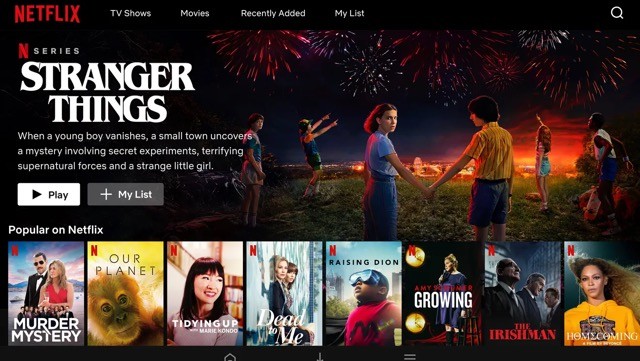
The opportunity: build a single, branded destination where all of it lives in a Netflix-style interface. Customer stories, interviews, a docu-series, internal MasterClass content (where relevant), event recordings, charitable work, educational pieces.
Route all social media traffic — newsletter clicks, LinkedIn shares, ads — back to this site. Every visit deepens the audience's understanding of your company. Every visit leaves them with something to watch next.
One site. Many journeys. The content library becomes an asset, not a cost center.
22. The YouTube Knowledge Base + Searchable Support Hub
Your customers are Googling your product right now. They're watching YouTube to figure out how to use it. They're asking ChatGPT what it does. If you're not present in those answers, someone else is writing your story.
Build a video-first knowledge base. Every feature, every use case, every troubleshooting path, captured on video. Searchable. Chat-assisted for instant answers. Uploaded to YouTube for SEO.
The second-order benefit: your sales team can pull any video as a reference asset in a live deal. "You had a question about integration? Here's a 4-minute walkthrough." Support costs drop. Sales velocity rises. The knowledge base pays for itself twice.
Bonus: Three Honorable Mentions
Not every idea fits cleanly into four quadrants, and a few of these are worth naming because they keep coming up in client conversations.
Welcome to My Crib Facility Tours
Borrow from MTV Cribs or Architectural Digest. Walk a camera through your facility — a warehouse, a customer service center, a lab, a retail location. A friendly host opens the door, shows the camera around, introduces the team, explains what happens there.
It humanizes operations. It doubles as recruiting content. It demystifies a company for both prospects and new hires.
The Glass of the Future Category Vision Film
Corning made a short film years ago imagining a future where glass was everywhere — in every surface, every device, every environment. It wasn't a product ad. It was a point-of-view ad. It reframed Corning from "a company that makes glass" into "the company defining what glass becomes."
Any company that wants to lead a category — not just compete in one — should make a version of this film. Five to eight minutes. Visually ambitious. Strategically pointed. Distributed on YouTube, embedded on the site, shown at internal and external events.
It signals confidence. It recruits talent. It rewires how your prospects think about the category.
How to Choose Where to Start
Twenty-two ideas is a lot. Nobody executes twenty-two things in a year. So here's the sequencing question — what's the one problem you're trying to solve first?
If your 2026 problem is closing pipeline faster → start with Idea 1 (the documentary case story), Idea 2 (the ABM stack), Idea 13 (the interactive trade show experience), and Idea 16 (the modular pitch deck). These four together form a complete deal acceleration package.
If your problem is getting on target accounts' radar → start with Idea 3 (InMail + Masterclass), Idea 4 (LinkedIn newsletter), Idea 5 (vertical shorts), and Idea 11 (LinkedIn ad + landing page). These compound into a pre-sales engine within a single quarter.
If your problem is internal alignment → start with Idea 18 (CEO communication stack), Idea 19 (internal MasterClass), and Idea 20 (empathy documentary). Do these in order — the CEO stack first, then the MasterClass for top-performer knowledge transfer, then the empathy film for product-customer alignment.
If your problem is customer experience → start with Idea 21 (Netflix-style destination) and Idea 22 (YouTube knowledge base). These can be built in parallel and are the two assets most likely to show up in customer NPS and renewal conversations.
Closing
The headline thought for 2026 is simple, and I'll repeat it because it's the one that matters: close what you have.
Every idea in this playbook is in service of that job. Some accelerate deals directly. Some improve how your team sells. Some raise the quality of the buyer's experience so that existing deals don't leak and new deals close faster. None of them is a brand campaign. All of them are sales infrastructure.
If any of it maps to where you're taking your company next year, my calendar is open. Book a call directly at calendly.com/robertcornish/call, or reach me at 408-439-3812.
We help B2B companies sell their offering. That's the whole job.
Let's go sell beautifully in 2026.
— Robert


